
On a 100 dollar online sale paid with a United States card, Stripe keeps 3.20 dollars and the seller keeps 96.80 dollars. On a 10,000 dollar month of similar sales, Stripe keeps roughly 320 dollars. On a 100,000 dollar year, the figure passes 3,000 dollars, before any international surcharge, dispute fee or subscription billing charge. The cost of Stripe payment processing small business owners face is therefore small on any single sale and large across a year, and it deserves the same attention as rent, stock or advertising.
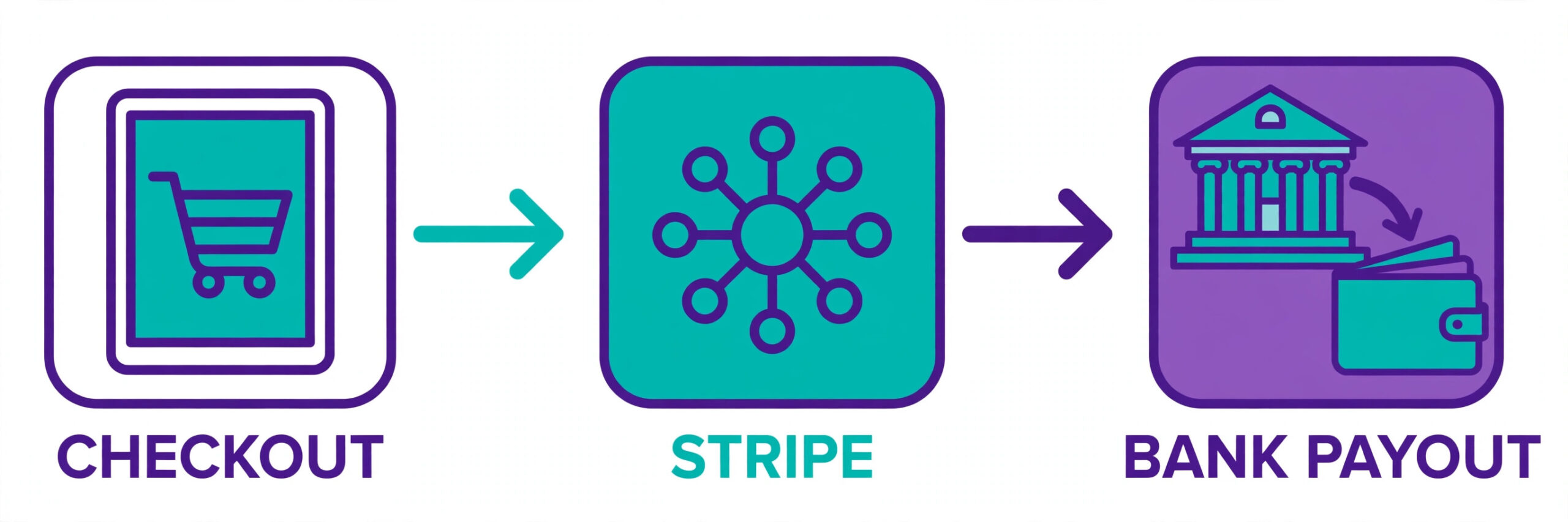
Stripe is unusual among payment processors because there is no monthly fee, no setup fee and no contract on its standard plan. That simplicity is genuine, and it is why so many small businesses start with Stripe. The catch is that the absence of a monthly fee does not mean the absence of cost. The cost arrives as a percentage of every payment, plus fixed cents per transaction, plus add on charges for international cards, currency conversion, disputes and optional products that many businesses end up using.
This guide breaks down every rate that matters to a small business, works through real monthly totals, and names the extra charges that surprise owners. Prices are United States list prices reported in October 2026, before tax where tax applies, and Stripe changes rates for some products over time. Treat every figure here as a starting point and check the vendor page before relying on it for a forecast.
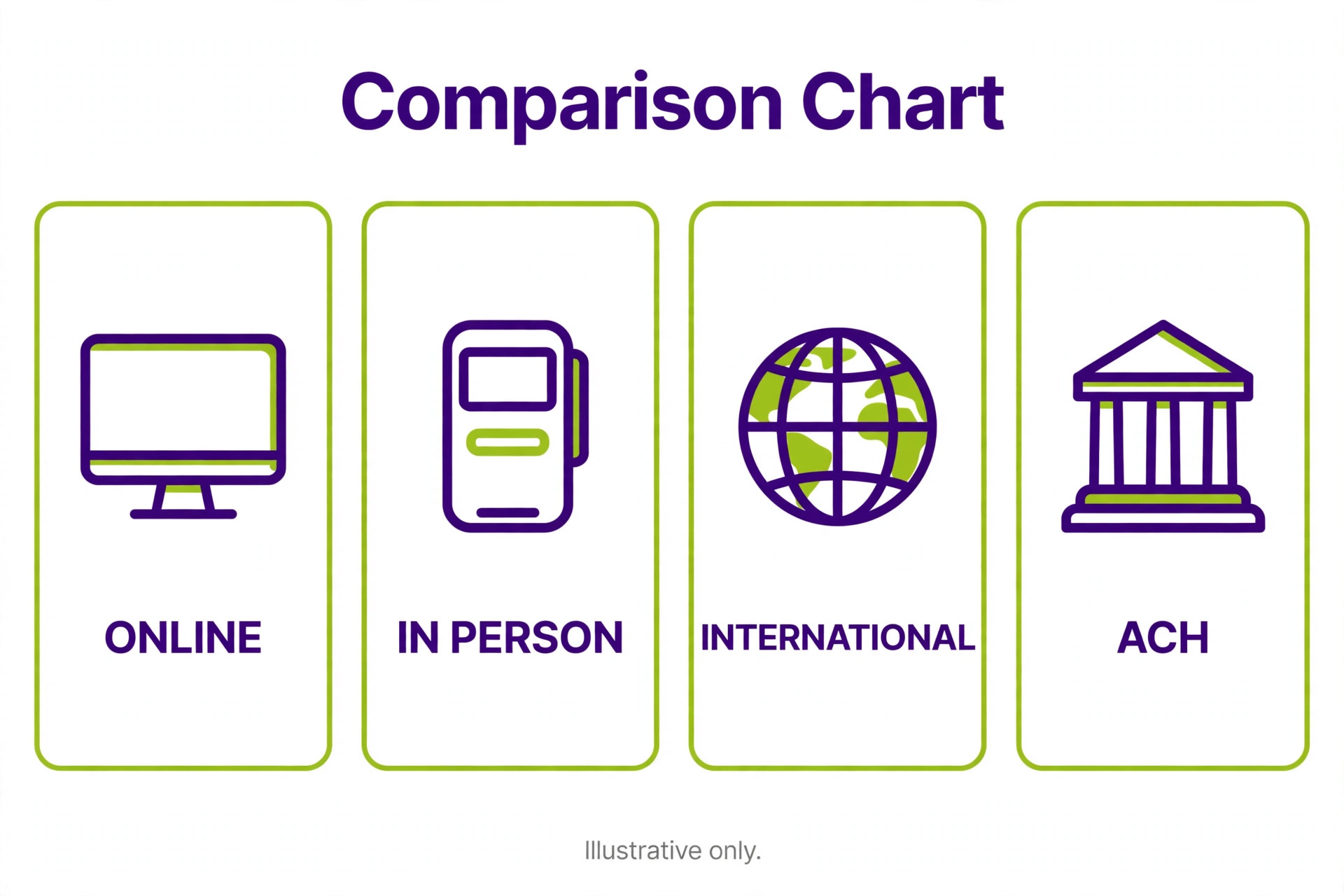
Stripe Rates at a Glance for a Small Business
| Payment type | Rate | Fee on a 100 dollar sale |
|---|---|---|
| Online card, United States card | 2.9% + $0.30 | $3.20 |
| In person through Stripe Terminal | 2.7% + $0.05 | $2.75 |
| Manually entered card | 3.4% + $0.30 | $3.70 |
| Online card, international card | 4.4% + $0.30 | $4.70 |
| International card with currency conversion | 5.4% + $0.30 | $5.70 |
| ACH Direct Debit | 0.8%, capped at $5.00 | $0.80 |
| Buy now, pay later through Klarna | 5.99% + $0.30 | $6.29 |
Read the table with the fixed fee in mind, because the fixed cents matter far more on small sales than on large ones. A 10 dollar online sale costs 59 cents in Stripe fees, which is 5.9 percent of the sale. A 1,000 dollar online sale costs 29.30 dollars, which is 2.93 percent. The percentage rate is flat, but the effective rate falls as the sale size rises, because the 30 cents is spread over a larger amount. Businesses selling low priced items feel Stripe fees more keenly than businesses selling high priced items, even though both pay the same headline rate.
Digital wallets such as Apple Pay and Google Pay are charged at the same rate as a standard online card payment when they run through Stripe, which is easy to budget. Wallet payments therefore do not change the cost of Stripe payment processing small business owners forecast, even as mobile checkout grows. There is no separate wallet surcharge on the standard plan. That matters because wallet payments now make up a meaningful share of mobile checkout, and a processor that charged extra for wallets would quietly raise the effective rate as mobile sales grow.
What the Cost of Stripe Payment Processing Small Business Owners Actually Includes
The standard Stripe Payments account includes the payment processing itself, fraud screening tools at a basic level, a dashboard, payout scheduling and support, all with no monthly fee. That bundle is the reason Stripe suits a business that is starting out, because the business pays nothing in a month when it sells nothing, and pays only in proportion to sales in a month when it sells. A seasonal business with quiet months benefits from that shape more than from a low monthly fee plan with a minimum charge.
Payout timing is part of the value, and it is free at the standard speed. Standard payouts typically land in about two business days for a United States business, and there is no charge for that schedule. Instant payouts are available for an extra fee, reported at 1 percent by some sources and 1.5 percent by others, with a minimum of 50 cents, and the disagreement between sources is worth noting. A business that needs cash the same day should check the current instant payout rate in its own dashboard, because the rate shown there is the one that will be charged.
The cost of Stripe payment processing small business owners face also includes the developer friendly tooling that Stripe is known for, meaning hosted checkout pages, payment links, invoicing and a well documented interface for connecting a website or app. A business without a developer can still use Stripe through payment links and invoicing, or through a plugin on a platform such as WordPress, Shopify or WooCommerce. A business with a developer can build a fully custom checkout. Either way, the tooling is included, and the only question is how much setup time the business is willing to spend.
Stripe Online Card Rates in Plain Terms
Online card payments are the core Stripe product, and the United States rate of 2.9 percent plus 30 cents per successful payment is the number to memorise. The fee applies only to successful payments, so a failed card attempt does not carry the same charge, although repeated failed attempts can still cost time and customer goodwill. Refunds are free to issue through Stripe, but the original processing fee is not returned when a payment is refunded, which is a detail that changes the economics of a high refund business.
Manually entered cards cost more, at 3.4 percent plus 30 cents, because a card number typed in by hand carries higher fraud risk than a card read by a chip reader or entered through a secure checkout. A business that takes many phone orders should expect a higher effective rate than a business that takes the same sales through an online checkout, and should consider sending a payment link instead of keying the card, because a payment link is charged at the online rate rather than the manual rate.
Stripe In Person Rates Through Terminal
In person payments through Stripe Terminal cost 2.7 percent plus 5 cents per transaction, which is cheaper than the online rate because a card present sale carries lower fraud risk. On a 100 dollar sale the in person fee is 2.75 dollars against 3.20 dollars online, a saving of 45 cents per sale. Across 500 in person sales a month, that saving is 225 dollars, which is enough to justify the cost of a card reader for many businesses.
Terminal hardware is bought separately, with readers commonly reported from around 59 dollars for a basic mobile reader upward for countertop devices. There is no monthly fee for Terminal itself on the standard plan, so the hardware is a one off cost rather than a subscription. A business that sells both online and in person should budget the two rates separately, because blending them into one average hides the fact that the channel mix decides the monthly total.
Stripe International and Currency Conversion Fees
International cards add 1.5 percent to the standard rate, taking an online sale from 2.9 percent to 4.4 percent plus 30 cents. Currency conversion adds a further 1 percent when Stripe must convert the payment into the seller’s currency, taking the same sale to 5.4 percent plus 30 cents. The two surcharges stack, and a European customer paying in euros to a United States seller can therefore cost nearly double the domestic fee on the same sale amount.
A 100 dollar sale illustrates the gap clearly. A domestic online card costs 3.20 dollars. An international card without conversion costs 4.70 dollars. An international card with conversion costs 5.70 dollars. The seller keeps 96.80 dollars, 95.30 dollars or 94.30 dollars respectively, and the difference comes entirely from where the buyer sits and which currency they pay in, not from anything the seller did differently.
For that reason, any honest estimate of the cost of Stripe payment processing small business owners face must split domestic and international sales before applying a rate. A business with 10 percent international sales sees only a modest lift in its effective rate. A business with half its sales from abroad sees its effective rate climb toward 4 percent or more. Selling in the buyer’s local currency where Stripe supports it, or pricing to absorb the surcharge, are both legitimate responses, but ignoring the surcharge is not.
Sources also disagree on a small detail that is worth naming. One 2026 guide lists the international surcharge as 1 percent rather than 1.5 percent for some cases, while the majority of recent sources and Stripe’s own pricing page summaries report 1.5 percent. The majority figure is used in this guide, and a business with heavy international volume should confirm the exact surcharge in its dashboard, because a half percent difference on large volume is real money.

Stripe Worked Fees on 100 Dollar, 1,000 Dollar and 10,000 Dollar Months
Worked monthly totals are where the rates turn into budget lines. The examples below assume online sales paid with United States cards at an average order value of 50 dollars, which keeps the fixed fee visible. A business with a different average order will land slightly differently, because more small orders mean more fixed fees for the same revenue.
A 100 dollar month is a testing month, not a trading month. Two orders of 50 dollars cost 1.75 dollars each in fees, for a monthly total of 3.50 dollars. The fee is 3.5 percent of revenue, higher than the headline 2.9 percent, because the 30 cent fixed fee on each order adds 0.6 percent at a 50 dollar order value. At this size the absolute cost is trivial, but the effective rate is a useful warning that small orders carry a higher percentage cost.
A 1,000 dollar month at the same average order means 20 orders. Each order costs 1.75 dollars, for a monthly total of 35 dollars, which is again 3.5 percent of revenue. The pattern holds, because the order count and the revenue rise together. A business selling 1,000 dollars a month in 100 orders of 10 dollars would pay 59 dollars instead, or 5.9 percent, because the fixed fee is charged 100 times. Average order value is therefore as important as monthly revenue when forecasting Stripe costs.
A 10,000 dollar month at a 50 dollar average order means 200 orders, each costing 1.75 dollars, for a monthly total of 350 dollars, or 3.5 percent of revenue. The same 10,000 dollars in 20 orders of 500 dollars would cost about 296 dollars, or just under 3 percent, because the fixed fee is charged only 20 times. The lesson is that raising the average order value, through bundles, minimum orders or upsells, lowers the effective Stripe rate without changing the headline rate at all.
The table below sums up the three months at a 50 dollar average order, plus a 10,000 dollar month at a 500 dollar average order for comparison.
| Monthly sales | Orders at 50 dollars average | Stripe fees | Effective rate |
|---|---|---|---|
| $100 | 2 | $3.50 | 3.5% |
| $1,000 | 20 | $35.00 | 3.5% |
| $10,000 | 200 | $350.00 | 3.5% |
| $10,000 at 500 dollars average | 20 | $296.00 | 2.96% |
In person sales change the same months for the better. A 10,000 dollar month taken entirely in person at a 50 dollar average order costs 1.40 dollars per order, or 280 dollars in total, saving 70 dollars against the online figure. A mixed business should split its forecast by channel, because a single blended rate will overstate the cost of a mostly in person business and understate the cost of a mostly online one.
Stripe ACH Bank Debits and Large Invoices
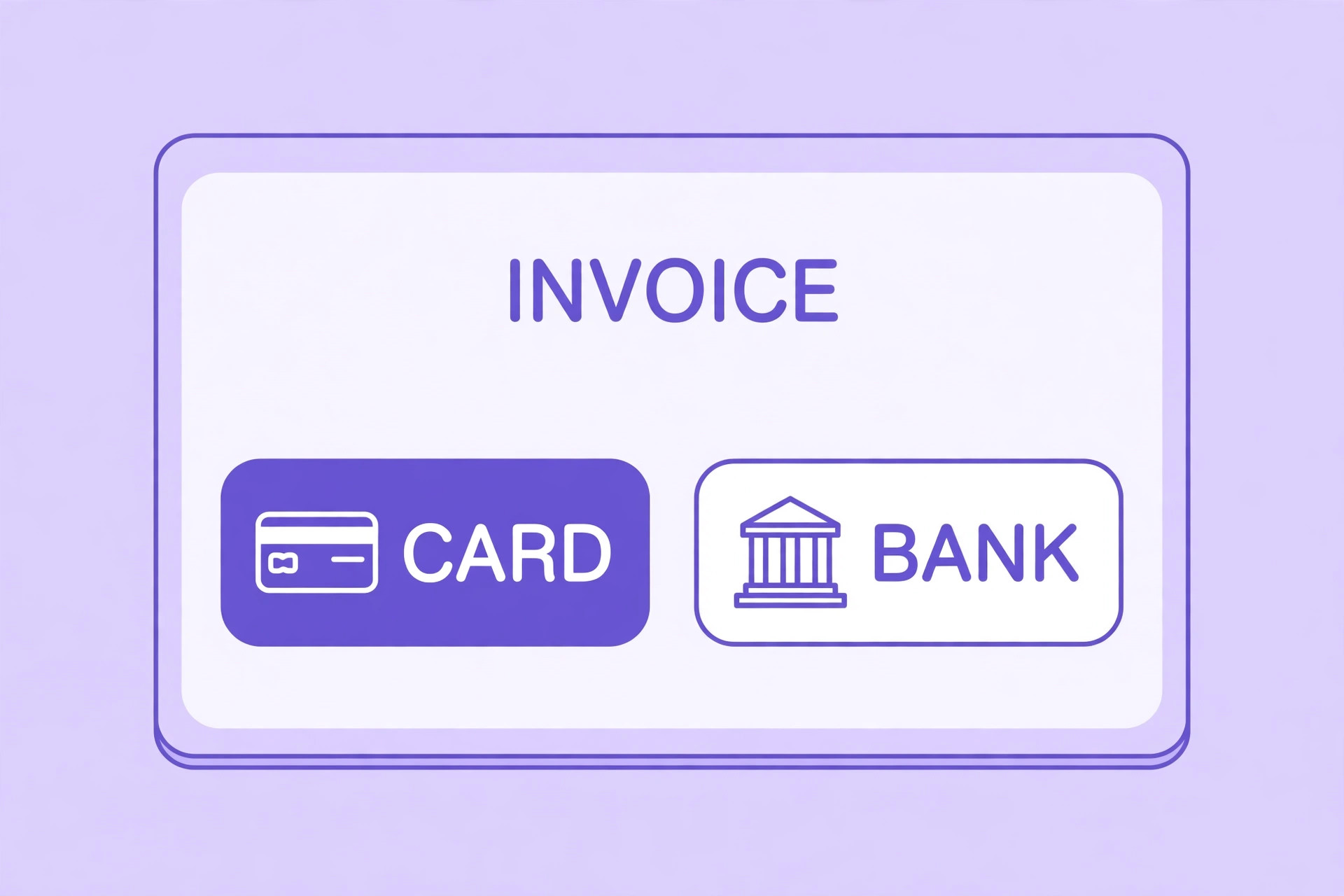
ACH Direct Debit costs 0.8 percent per transaction, capped at 5 dollars, which makes it dramatically cheaper than card payments for large invoices. A 1,000 dollar invoice paid by ACH costs 5 dollars, against 29.30 dollars by card, a saving of more than 24 dollars on a single payment. A 400 dollar invoice costs 3.20 dollars by ACH, against 11.90 dollars by card. For service businesses, agencies and wholesalers invoicing hundreds or thousands of dollars at a time, ACH is the single largest Stripe saving available.
The trade off is speed and failure risk. ACH payments take several business days to clear, and a failed debit takes longer to surface than a declined card. A business that needs cash quickly, or that sells to buyers who expect instant confirmation, may still prefer cards for smaller amounts and reserve ACH for larger invoices where the saving justifies the wait. Offering both, with cards as the default and ACH as an option on larger invoices, is the practical middle path. A business that invoices this way will find the cost of Stripe payment processing small business owners report falls noticeably, because the largest payments move to the cheapest rail.
ACH also has a different failure pattern from cards. A card decline is instant and the buyer can try another card at once. An ACH failure can arrive days later, after the business has already started work or shipped goods. For that reason, businesses using ACH for the first time with a new customer should wait for clearance before delivering high value work, and should keep card payment as a fallback for urgent orders.
Stripe Add On Products That Quietly Raise the Bill
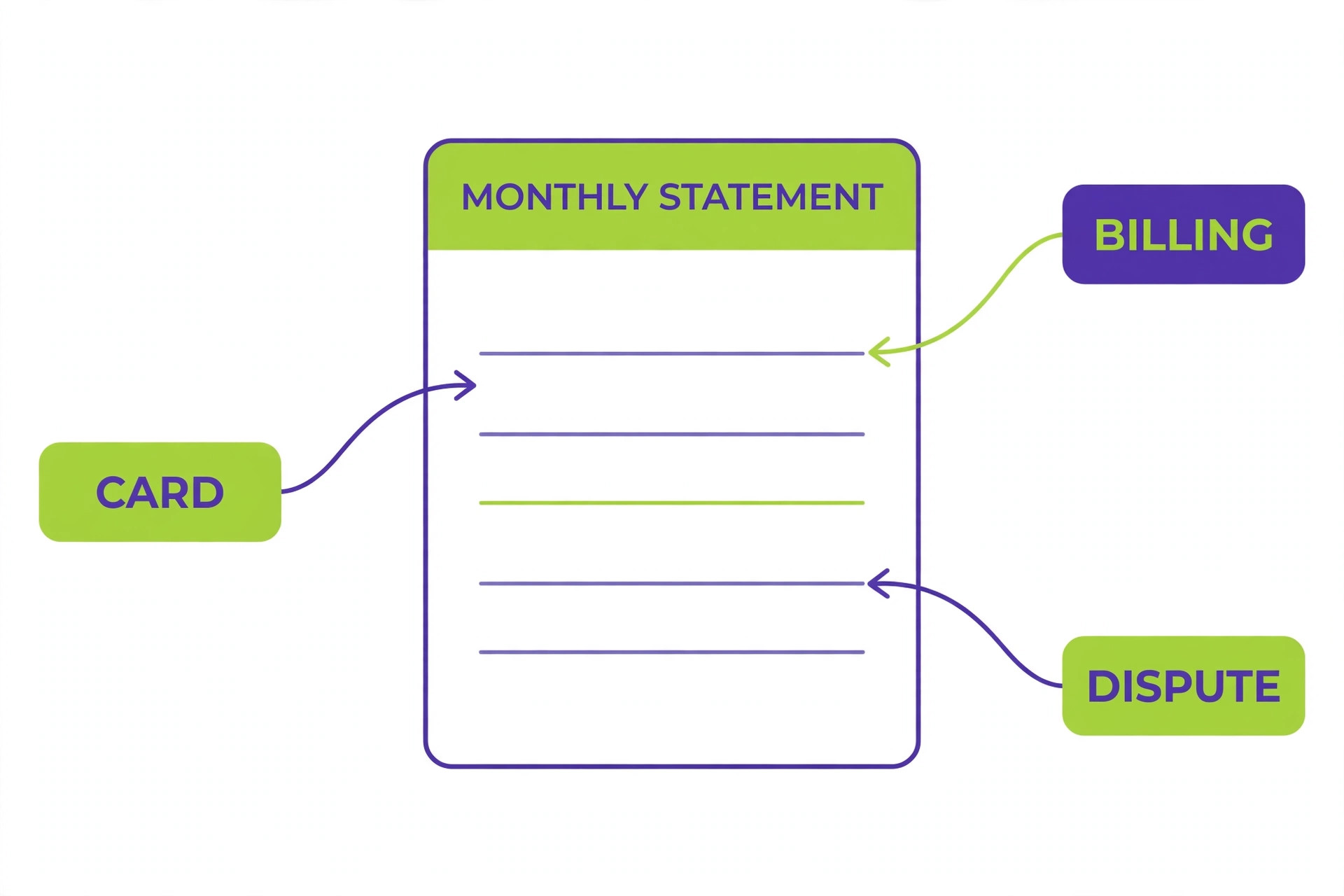
Stripe Billing, the subscription management product, is commonly reported at an extra 0.7 percent of billing volume on top of the card fee, although some older sources quote 0.4 to 0.5 percent, so the current dashboard figure should be checked. A subscription business charging 10,000 dollars a month would therefore pay about 350 dollars in card fees plus about 70 dollars in Billing fees, for a total near 420 dollars, or 4.2 percent of revenue. That is still reasonable for automated recurring billing, but it is not the headline 2.9 percent, and a forecast that omits it will understate the bill by a fifth.
Stripe Tax, which calculates and reports sales tax, is commonly reported at 0.5 percent of the transaction amount. A business selling across many states, or across countries with different tax rules, may find that charge worth paying to avoid manual tax work and filing errors. A business selling in one state with one tax rate may not need it, and should compare the Tax fee with the cost of its existing accounting tool before switching it on.
Stripe Radar, the fraud screening product, includes a basic level with standard Payments, while advanced Radar features are reported at around 5 to 7 cents per screened transaction by some sources. A business with low fraud risk may never need the advanced tier. A business selling digital goods, tickets or high value items to new customers should test the basic screening first, then add advanced screening only if fraud losses exceed the per transaction cost.
Disputes cost 15 dollars each when a customer raises a chargeback, and some sources report a further 15 dollars if the business responds to the dispute, refunded if the business wins. Other sources describe the 15 dollars as kept win or lose. The safe budget assumption is 15 dollars per dispute, plus time spent gathering evidence, and a business with a high dispute rate should treat disputes as a product problem to fix, not only as a fee to absorb, because the fee is small beside the lost sale and the time.
Stripe Instant Payouts, Refunds and Other Small Lines
Instant payouts carry a fee reported at 1 percent by some sources and 1.5 percent by others, with a minimum of 50 cents. A business that takes an instant payout of 1,000 dollars would therefore pay 10 to 15 dollars for the privilege of same day cash. Used occasionally, that is a fair price for speed. Used daily, it becomes a meaningful monthly line, and a business that needs daily cash should instead tighten its standard payout schedule or its invoicing timing.
Refunds deserve a clear statement, because they surprise owners. Issuing a refund through Stripe is free, but the original processing fee is not returned. A refunded 100 dollar sale therefore costs the business 3.20 dollars in fees, plus the returned 100 dollars, plus any shipping or fulfilment cost already spent. A business with a 10 percent refund rate effectively pays Stripe fees on 110 percent of its kept revenue, and that is a further reason to reduce refunds through clear product descriptions and honest delivery estimates.
Wire transfers, currency payouts to non domestic accounts and some premium support options carry their own small fees, commonly reported around 8 dollars per wire transfer. These lines rarely dominate a small business bill, but they appear on statements and confuse owners who expected only the card rate. Reading the first three monthly statements line by line is the fastest way to learn which of these lines apply to a particular business.
Stripe Mistakes That Raise the Effective Rate
The most common mistake is keying cards by hand when a payment link would do. Manual entry costs 3.4 percent plus 30 cents against 2.9 percent plus 30 cents online, a gap of half a percent on every sale. A business taking 10,000 dollars a month by phone keying pays about 50 dollars a month more than the same business sending payment links, for no benefit to the customer. Payment links also give the customer a proper receipt and a secure checkout, which reduces disputes as well as fees.
The second mistake is leaving international surcharges out of pricing. A business that prices for the domestic rate and then discovers that a third of its sales come from abroad will watch its margin shrink by a percent or more without any change in its own costs. The fix is to check the international share in the Stripe dashboard, then either price with a margin that absorbs the surcharge or route international buyers to a local currency checkout where the conversion cost is lower.
The third mistake is adding every Stripe product at setup. Billing, Tax, advanced Radar and other tools are useful, but each one adds a percentage or per transaction charge, and a business that switches them all on at once can lift its effective rate from under 3 percent to over 4.5 percent without noticing. Switch products on one at a time, measure the benefit for a month, and keep only the ones that earn their fee in saved time or recovered revenue.
The fourth mistake is ignoring the fixed fee when setting prices, and it is the mistake that most distorts the cost of Stripe payment processing small business owners calculate from the headline rate alone. A business selling items at 5 dollars pays 45 cents per online sale, or 9 percent, which can wipe out the margin on a low priced product entirely. Minimum order values, bundles and small order surcharges are not greed in this context, they are arithmetic, and a business that refuses them on principle will subsidise Stripe fees from its own margin indefinitely.
Stripe Decision Table, Best Setup by Job
| Job to be done | Best Stripe setup | Why it fits |
|---|---|---|
| Sell online with a website checkout | Standard Payments, online rate | No monthly fee, checkout included, wallet support |
| Sell in person at a counter or market | Stripe Terminal, in person rate | Lower rate, card present, hardware is a one off cost |
| Invoice large amounts to clients | ACH Direct Debit as an option | 0.8 percent capped at 5 dollars beats card rates by a wide margin |
| Run subscriptions | Payments plus Billing | Automated retries and invoicing justify the extra percentage |
| Sell heavily abroad | Local currency pricing, watch conversion | Limits the stacked 5.4 percent international plus conversion rate |
| Take phone orders | Payment links, not manual entry | Online rate instead of the higher manual entry rate |
The table is a starting point, not a prescription, because a real business usually mixes several rows. A service business may take online card payments for small jobs, ACH for large invoices and Terminal for in person deposits, and the monthly total is the sum of those three lines. The discipline is to forecast each line separately, then add them, rather than applying one rate to total revenue and hoping the mix averages out.
Stripe Versus PayPal and Square on Cost
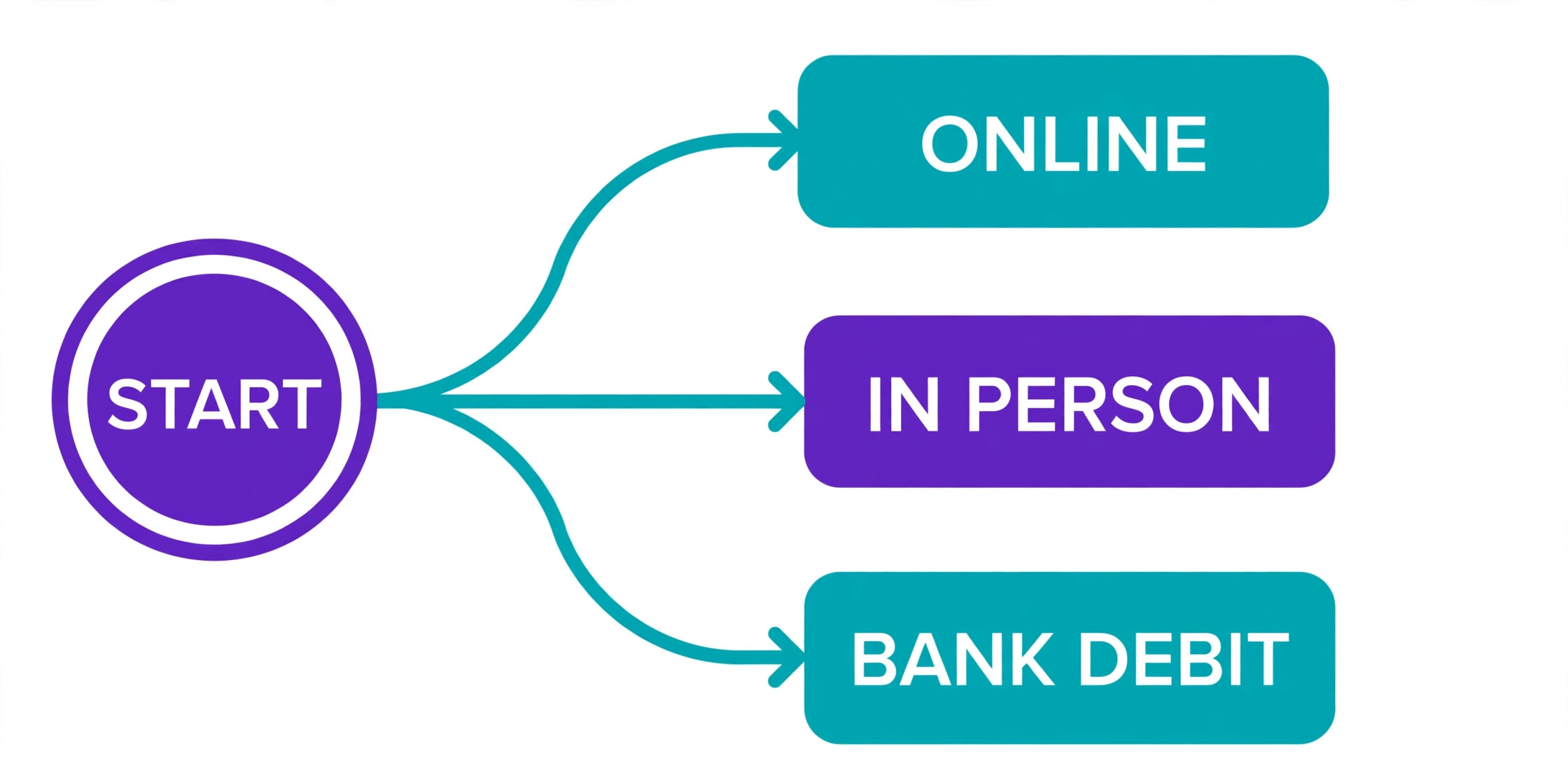
Stripe is usually the cheapest of the three for online card payments at scale, because its 2.9 percent plus 30 cents undercuts PayPal Checkout at 3.49 percent plus 49 cents by a clear margin. On 10,000 dollars a month at a 50 dollar average order, Stripe costs about 350 dollars while PayPal Checkout costs about 448 dollars, a gap of nearly 100 dollars a month, or nearly 1,200 dollars a year. That gap is the main reason online first businesses choose Stripe as their primary processor.
Square beats Stripe for in person sales on its paid plans, with in person rates of 2.5 percent on Plus and 2.4 percent on Premium against Stripe Terminal at 2.7 percent, although Square charges a monthly plan fee where Stripe does not. PayPal beats both for some in person sales through its point of sale rate of 2.29 percent plus 9 cents, which undercuts Stripe Terminal on a 100 dollar sale by 37 cents. The honest conclusion is that no single processor is cheapest everywhere, and a business with both online and in person sales may reasonably run Stripe online and a second processor in person.
The wider point is that processor choice is rarely only about the headline rate. Stripe wins on developer tooling, subscription handling and marketplace features. PayPal wins on buyer trust, because many customers already hold a PayPal balance and look for the button. Square wins on counter hardware and point of sale software. A business should weigh the rate gap against conversion, because a checkout button that customers trust can earn back a higher fee through more completed sales.
Stripe Verdict for a Small Business Budget
For an online first small business, Stripe on the standard plan is the sensible default, because there is no monthly fee, the online rate of 2.9 percent plus 30 cents is competitive, and the tooling covers checkout, payment links, invoicing and subscriptions. Budget about 3.5 percent of revenue for fees at a 50 dollar average order, more for smaller orders and less for larger ones, and add Billing or Tax fees only if those products are actually switched on.
For a business with large invoices, add ACH as a payment option, because the saving on a single 1,000 dollar invoice covers a month of small card fees. That single change does more to cut the cost of Stripe payment processing small business owners pay than any other step in this guide. For a business with heavy international sales, price with the 5.4 percent stacked rate in mind, not the domestic rate. For a business selling mainly in person, compare Stripe Terminal with Square and PayPal point of sale, because the in person rate gap can outweigh Stripe’s online advantage.
The cost of Stripe payment processing small business owners pay is best understood as a percentage of revenue that moves with order size, channel and geography, not as a fixed monthly bill. A business that forecasts it that way will rarely be surprised by its Stripe statement. A business that budgets only the headline 2.9 percent will be surprised every month, by a little on domestic sales and by a lot on international ones.
Frequently Asked Questions
How much does Stripe cost per month for a small business?
Stripe has no monthly fee on its standard plan, so the monthly cost is purely the fees on that month’s payments. At the online rate of 2.9 percent plus 30 cents, a 1,000 dollar month at a 50 dollar average order costs about 35 dollars, and a 10,000 dollar month costs about 350 dollars. Optional products such as Billing and Tax add their own percentages on top.
What is the Stripe fee on a 100 dollar sale?
A 100 dollar online sale paid with a United States card costs 3.20 dollars, leaving 96.80 dollars. The same sale in person through Terminal costs 2.75 dollars. An international card costs 4.70 dollars, and an international card with currency conversion costs 5.70 dollars. A 100 dollar invoice paid by ACH costs 80 cents.
Does Stripe charge a monthly fee?
No, standard Stripe Payments has no monthly fee, no setup fee and no contract. The business pays only per transaction, plus optional product fees if it switches on Billing, Tax or advanced fraud tools. That shape suits seasonal businesses, because a month with no sales costs nothing.
How much does Stripe charge for international payments?
International cards add 1.5 percent to the standard rate, and currency conversion adds a further 1 percent, so an online international sale with conversion costs 5.4 percent plus 30 cents in total. A business with many international buyers should price with that stacked rate in mind, or offer local currency checkout where Stripe supports it.
Is ACH cheaper than card payments on Stripe?
Yes, by a wide margin on larger amounts. ACH Direct Debit costs 0.8 percent capped at 5 dollars per transaction, so a 1,000 dollar invoice costs 5 dollars by ACH against 29.30 dollars by card. The trade off is slower clearance, typically several business days, and a later failure notice than a card decline.
When should a small business negotiate Stripe rates?
Stripe offers custom pricing to larger businesses, typically once volume is consistently high, and a business processing tens of thousands of dollars a month with a clean history has a reasonable case to ask. A small business under 10,000 dollars a month will usually gain more from raising its average order, adding ACH for large invoices and cutting manual entry than from negotiating a tenth of a percent off the headline rate.
More Reading on Stratilyze
– Best Payment Software for Service Businesses – Cost of Shopify for Small Business Monthly – Cost of Wix for Small Business Monthly – Best POS System for Retail Stores – Best CRM Software for Consultants